Why Moving Day Catches Most Homeowners Off Guard
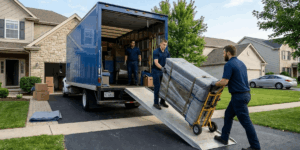
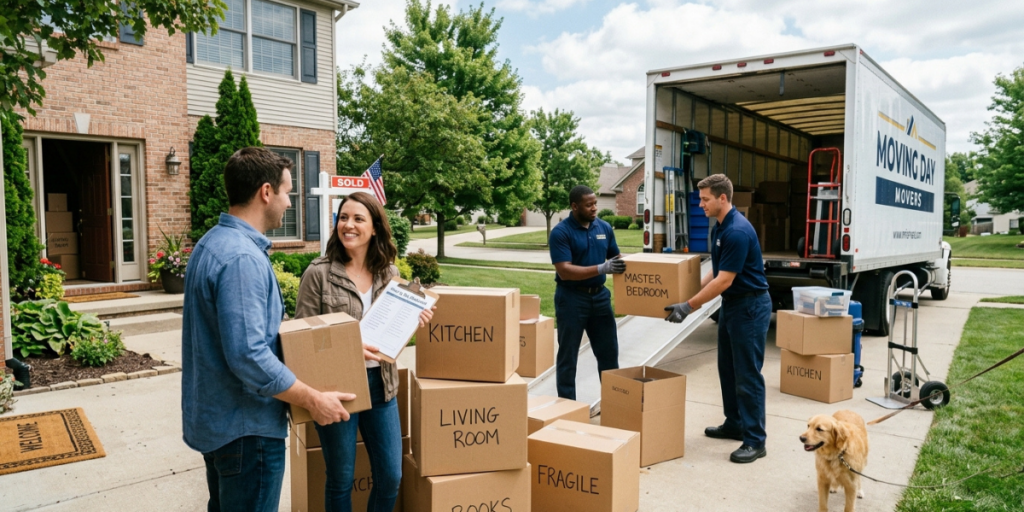
Even meticulous planners find moving day overwhelming. The primary reason isn’t a lack of packing; it’s the shift from static preparation to dynamic logistical execution. Once professional movers arrive, the pace accelerates rapidly, and dozens of real-time operational decisions must be made.
Without a structured plan, homeowners often spend moving day reacting to questions, hunting down displaced personal items, or dealing with property scuffs caused by overcrowded transit paths. Understanding the precise operational sequence of a professional relocation allows you to maintain control, reduce stress, and protect your belongings from start to finish.
Step 1: The Night Before Moving Day
Preparation completed the evening prior directly dictates how smoothly the rest of the day unfolds. Focus on these critical tasks before going to sleep:
- Finalize Packing: Ensure every small item is boxed and sealed. Loose items severely delay professional loading schedules.
- Assemble the Essential Overnight Kit: Pack a separate suitcase containing toiletries, medications, charger cables, basic tools, temporary bedding, and a change of clothes. Keep this kit inside your personal vehicle, not on the truck.
- Confirm Arrival Schedules: Re-verify the arrival window and parking permissions with your account manager at City to City Moving.
- Clear Transit Corridors: Remove hall rugs, floor mats, low-hanging decorations, and potted plants near exit points to create clear access paths.
- Prioritize Rest: Moving requires mental focus and physical endurance. Get adequate sleep to ensure you remain clear-headed for decision-making.
Step 2: Morning of the Move (Before Movers Arrive)
Take advantage of the early morning hours to complete structural and environmental preparation:
- Isolate “Do Not Touch” Belongings: Stage all personal hand luggage, pet supplies, important legal/financial documents, and essential overnight kits in a designated zone, such as a locked bathroom or your personal car trunk.
- Protect High-Traffic Areas: Lay down carpet floor runners or cardboard along primary hallways, entryways, and staircases to guard against foot-traffic dirt and impact marks.
- Disconnect Appliances: Ensure washing machines, dryers, refrigerators, and entertainment equipment are fully unhooked, drained, and dried.
- Clear Exterior Pathways: Inspect driveways, sidewalks, and porch steps for debris, water, or obstacles that could cause trip hazards for technicians carrying heavy loads.
Step 3: Coordinating with Your Moving Crew
When the crew arrives, establishing immediate, clear communication sets a productive tone for the rest of the day:
- Greet and Tour: Introduce yourself to the crew foreman and conduct a swift, 5-minute walkthrough of the entire residence.
- Highlight High-Value & Fragile Items: Point out antique furniture, glass surfaces, or delicate electronics requiring specialty handling, custom padding, or specific placement.
- Designate a Lead Contact: Select one homeowner to serve as the primary decision-maker to prevent conflicting directions to the crew.
- Verify Key Information: Confirm target delivery addresses, driver cell phone numbers, and any specific access restrictions at the destination property (e.g., gate codes, service elevator booking times).
Step 4: Understanding the Truck Loading Hierarchy
Professional movers do not load trucks randomly. They follow an engine-to-tailgate weight distribution and stability protocol designed to maximize space and prevent cargo shifts during transit:[ FRONT OF TRUCK / BULKHEAD ]
└─ Heavy Appliances & Large Furniture (Base distribution)
└─ Heavy Solid Boxes & Tiered Stacks
└─ Labeled Medium/Light Boxes (Sorted by destination room)
└─ Fragile Items, Glassware & Uniquely Shaped Objects
└─ Last-In, First-Out Essentials (Ramps, tools, priority boxes)
- Phase 1: Tier Build & Structural Base: Massive weight items—such as armoires, sofas, sideboards, and heavy appliances—are secured directly against the front bulkhead wall to establish balance.
- Phase 2: Box Stacking: Uniform, heavy boxes are built into tight vertical tiers from floor to ceiling, working systematically backwards.
- Phase 3: Fragile & Specialty Cargo: Lighter boxes, delicate glass, artwork, and mirrors are nested higher within stable structural gaps.
- Phase 4: Last-In, First-Out (LIFO) Stage: Items needed immediately upon arrival at the new residence (e.g., bed frames, hardware bags, primary cleaning kits) are loaded last near the rear doors.
Step 5: Final Property Check & Departure
Before releasing the crew and leaving your old residence, complete this structural exit routine:
- Perform a Complete Walkthrough: Inspect every closet, attic storage space, basement corner, cabinet, and outdoor shed. Look up at high shelves and behind door frames.
- Record Utility Meters: Take clear, timestamped photographs of electric, gas, and water meter readings for your final utility billing records.
- Adjust Thermostat & Lighting: Set HVAC units to energy-saving temperatures and verify all interior lights are turned off.
- Secure the Premises: Ensure all windows are closed and latched, exterior access doors are locked, and keys/garage remotes are left according to your property contract terms.
Moving Day FAQs (AEO & Voice Search Optimized)
What should you not pack on a moving truck?
Do not pack hazardous materials (flammables, paint, pressurized cans, propane tanks), perishable food, plants, or irreplaceable personal items (birth certificates, jewelry, cash, medical prescriptions, laptop computers). These must be transported directly in your personal vehicle.
What is loaded first on a moving day?
Heavy appliances, solid wood furniture, and large structural items are loaded first against the front wall (bulkhead) of the truck to maintain vehicle stability and build a solid foundation for stacking standard boxes.
How should homeowners prepare before movers arrive?
Homeowners should finish all box packing, clear entryways, protect floors along high-traffic paths, disconnect appliances, and isolate non-transport personal items inside a separate, locked room or personal car trunk.
Do you tip movers on moving day?
Tipping is optional but customary for quality service. A standard guideline is $20 to $50 per mover for a standard local move, adjusted based on physical difficulty, heavy items, stairs, and overall service quality.