Moving can feel overwhelming, especially when you’re staring at an empty truck bed and wondering where to start. But here’s the truth: packing a moving truck efficiently isn’t rocket science. It’s about strategy, organization, and knowing exactly where everything should go.
If you’re relocating across Southern California or planning a long-distance move, this room-by-room moving truck packing tips guide will help you maximize your truck space while keeping your belongings safe and secure.
Planning Your Packing Strategy Before You Load
Before you even think about lifting a single box, you need a solid plan. Successful truck packing starts with understanding what you’re working with. Take time to inventory your belongings, measure your truck’s interior dimensions, and sketch out a rough layout. This preparation phase is where most people save themselves from costly mistakes and frustration.
Create a Pre-Move Inventory System
Start by taking photos of each room in your current home. This visual reference helps you remember what you need to pack and provides documentation for insurance purposes. Consider these steps:
- Take photos from multiple angles of each room
- Create a spreadsheet listing all major items
- Note the condition of valuable furniture and electronics
- Keep receipts for high-value items for insurance purposes
Organize Items by Room and Frequency of Use
Sort your items into categories: kitchen, bedroom, bathroom, living room, and miscellaneous. Within each category, further organize by frequency of use; items you’ll need first should be loaded last, accessible when you arrive.
Key organization tips:
- Label boxes with room names and contents
- Use a numbering system (Box 1 of 15, etc.)
- Color-code boxes by room for quick identification
- Keep an inventory list as you pack
Understanding Your Truck’s Weight Capacity and Layout
Every moving truck has a weight limit, and exceeding it can damage your vehicle and create safety hazards on the road. Check your truck’s specifications to understand its payload capacity:
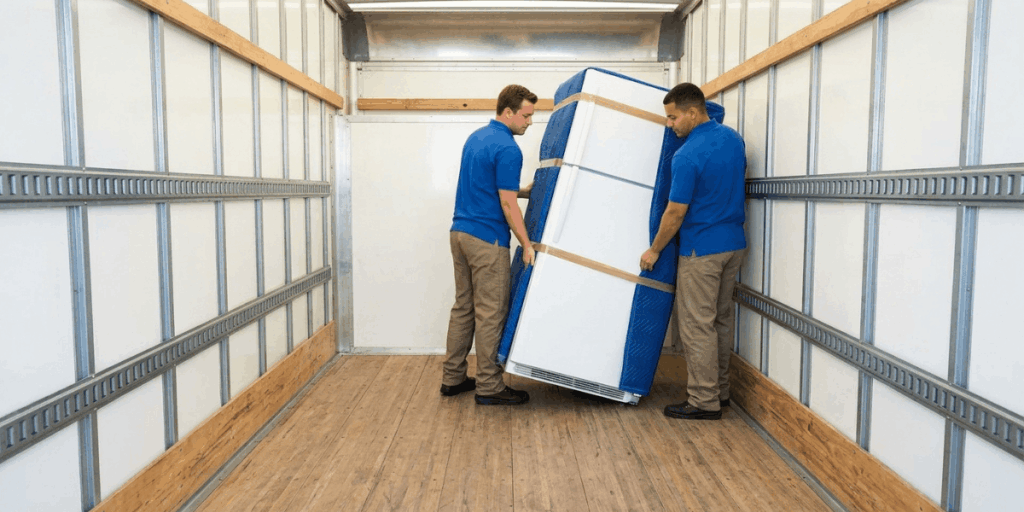
- Weight distribution: Heavier items belong in the front, directly over the axles
- Lighter items: Place toward the back of the truck bed
- Measurements: Measure your television, mattresses, couch, and largest furniture pieces
- Layout sketch: Draw a rough diagram of how furniture will fit
Proper weight distribution prevents the truck from being top-heavy or pulling to one side. Your truck’s length and width also matter tremendously. There’s nothing worse than arriving at your destination only to discover your bedroom set doesn’t fit lengthwise.
The Bedroom: Starting with Your Foundation
Your bedroom typically contains the bulkiest items, making it the perfect place to start your truck-packing strategy. Start with the most substantial pieces: the bed frame, mattress, and dresser. These heavy items form the foundation of your truck’s load.
Disassembling and Protecting Your Bed
Disassemble your bed frame completely and keep all hardware in clearly labeled bags. This process requires attention to detail:
- Remove all bolts, screws, and hardware
- Place them in labeled ziplock bags
- Tape bags to each furniture piece and take photos before disassembly
- Wrap the mattress to prevent stains and stand it vertically against the truck’s wall.
This vertical positioning saves considerable space and prevents weight from crushing other items underneath.
Organizing Bedroom Furniture Efficiently
Once your bed frame is secured, position your dresser, nightstands, and other furniture pieces strategically. Create a Tetris-like arrangement where pieces fit snugly without wasted gaps:
- Push furniture toward the sides and back of the truck
- Leave space in the middle for boxes
- Ensure dressers are upright and stable
- Secure nightstands to prevent tipping
Pack your bedroom boxes with sheets, blankets, pillows, and clothing. Fill luggage, suitcases, and drawers with clothes before sealing. This saves space and prevents wrinkles. Label everything clearly with “BEDROOM” and use a numbering system.
Protecting Bedroom Electronics and Valuables
Bedroom items often include electronics and valuable pieces that need extra care:
- Remove cords from electronics and bundle them separately
- Place electronics in original boxes if available
- Wrap alarm clocks and lamps with bubble wrap
- Store jewelry and important documents separately
- Keep medications in a secure, accessible location
The Kitchen: Maximizing Protection for Fragile Items
The kitchen is typically the most challenging room to pack because of fragile dishware, glassware, and small appliances. When thinking about moving truck packing tips, the kitchen requires extra attention and protective materials.
Packing Dishes and Glassware Safely
Plates, bowls, cups, and glasses should be wrapped individually in packing paper or bubble wrap:
- Wrap each dish separately for maximum protection
- Pack dishes vertically, like vinyl records, rather than stacking flat
- Use dividers between dishes for added safety
- Fill boxes with extra padding around all items
- Label boxes as “FRAGILE” and “DISHES”
- Keep heavier boxes in the middle section of the truck
This orientation actually provides better protection against breakage. Surround your boxes with towels, linens, or other soft items to create cushioning barriers.
Small Appliances and Cookware Strategy
Small appliances like toasters, coffee makers, and blenders deserve their own boxes with plenty of padding:
- Keep instruction manuals and cords together using rubber bands
- Wrap each appliance in bubble wrap before boxing
- Use foam or packing peanuts to fill empty spaces in boxes
- Mark boxes “FRAGILE” and identify contents clearly
- Store similar items together for easier unpacking
For knives and sharp utensils, wrap them carefully and mark the boxes “FRAGILE” and “SHARP OBJECTS” so whoever helps you unload knows to handle them cautiously.
Pots, pans, and cookware can go in sturdy boxes:
- Nest pans together to conserve space
- Separate each piece with cardboard dividers
- Fill gaps with kitchen towels or linens
- Place heavier cookware in the middle-to-back section
- Keep lids organized separately or stacked neatly
Food and Pantry Items
While most food shouldn’t be transported, certain pantry items are acceptable:
- Pack non-perishable, unopened food items
- Place heavy canned goods in smaller boxes
- Stack boxes with canned items securely in the truck
- Keep pantry boxes toward the front for better weight distribution
- Never pack raw or perishable foods
The Living Room: Protecting Your Electronics and Furniture
Your television is likely one of your most valuable and delicate items. Remove the stand from your TV, wrap it in a blanket, and transport it in its original box if you still have it. If not, wrap it carefully in moving blankets and secure it upright in the truck. Never lay your TV flat in the truck bed, as pressure and movement can damage the screen.
Television and Electronics Placement
Proper handling of your electronics is crucial:
- Transport TVs in original boxes when possible
- Wrap TVs in moving blankets if boxes are unavailable
- Position TVs upright, never flat
- Keep all cables and remotes together in labeled bags
- Store electronics away from heavy furniture weight
- Consider keeping expensive electronics with you during transport
Your couch, chairs, and other upholstered furniture should be wrapped in plastic to protect them from dust and dirt during transport. If you disassemble any furniture, keep all bolts, screws, and hardware together in labeled bags attached to the corresponding piece with tape or zip ties.
Arranging Furniture Without Wasted Space
Stack lighter items on top of heavier, sturdy furniture strategically:
- Place boxes of books, decorations, and electronics on top of your couch
- Use your sectional as a storage space for lighter boxes
- Fill gaps with soft items like pillows and blankets
- Prevent movement during transport with strategic placement
- Ensure nothing extends beyond the truck’s sides
This stacking approach shows you how to pack a moving truck efficiently while protecting your items from shifting.
Tall Furniture and Shelving Units
Entertainment centers, bookshelves, and other tall furniture need special attention:
- Remove shelves from bookcases and pack them separately
- Position tall furniture against the truck sidewalls
- Prevent tipping by securing furniture to walls
- Save floor space for boxes and other items
- Keep shelves organized and protected from damage
The Bathroom and Miscellaneous Items
Bathrooms contain numerous small items that are easy to lose during a move. Toiletries, medications, towels, and cleaning supplies should be packed together thoughtfully.
Handling Liquids and Sensitive Items
Place liquids and potentially messy items in a separate, sealed plastic container to prevent spills:
- Store all toiletries in waterproof containers
- Separate medications and vitamins in labeled bags
- Keep cleaning supplies in sealed plastic tubs
- Prevent leaks from contaminating other belongings
- Place liquid boxes on top of the load away from other items
- This is especially important for your city-to-city moving packing guide
Medications and important documents should never be packed in the truck. Keep these items with you during your move for security and accessibility purposes. For commercial moving situations, consider using professional services like City to City Moving Company, which handles these logistics expertly and ensures your valuable items receive proper care.
Towels, Linens, and Soft Items
These items serve double duty in your moving truck:
- Use towels and linens as padding between furniture
- Fill gaps and spaces with soft items
- Prevent scratches and damage to furniture surfaces
- Organize linens in labeled boxes
- Keep frequently needed items accessible
Utilizing Every Corner of Your Truck
Don’t overlook small spaces when packing:
- Fill gaps with rolled towels and blankets
- Use the area above the wheel wells for lightweight boxes
- Pack small items around the cab perimeter
- Create a “buffer zone” with blankets between furniture and walls
- Prevent shifts and damage with strategic gap-filling
Bathroom boxes should go toward the front of the truck bed, over the axles, where weight distribution is most important. If you have multiple bathrooms’ worth of items, separate them into different boxes and distribute them throughout the truck rather than clustering them together.
Final Securing and Safety Considerations
Once everything is loaded, you’re not finished yet. Securing your load properly prevents items from shifting during transit. Use moving blankets, rope, or ratchet straps to secure furniture against the truck’s walls.
Securing Your Load Properly
Heavy items must be anchored so they can’t slide forward during braking:
- Use rope or ratchet straps for securing furniture
- Anchor furniture against the truck’s interior walls
- Test stability before hitting the road
- Keep emergency supplies accessible
- Check load security periodically during your drive
Fill gaps with pillows, blankets, or soft items to prevent shifting during driving. Every gap matters; empty spaces allow movement. Place light boxes on top and keep nothing beyond the truck bed’s sides.
Protecting Your Belongings During Transport
Consider additional protection measures for your valuables:
- Place furniture pads between stacked items
- Use extra layers of protection for fragile items
- Secure all loose items firmly
- Keep a checklist of loaded items
- Loading and unloading is where most damage occurs, so ensure your truck is properly secured before hitting the road
If you’re unsure about proper securing techniques, hiring professionals who specialize in loading and unloading can save you money in the long run.
FAQs
Q1 – What’s the Best Order to Load a Moving Truck?
Load your heaviest items first, placing them directly over the truck’s axles for proper weight distribution. Start with furniture like bed frames and dressers, then add kitchen items and boxes. Save lighter boxes and soft items for the top and back of the truck. This arrangement prevents your load from shifting and keeps your truck balanced during transport.
Q2 – How Should I Protect My Furniture During a Move?
Wrap all furniture in moving blankets or plastic sheeting to prevent dust, dirt, and scratches. Disassemble items when possible and keep hardware organized in labeled bags. Place cardboard corners on furniture edges and use padding around fragile pieces. Never stack heavy boxes on top of upholstered furniture without protection.
Q3 – Should I Use My Truck’s Maximum Capacity?
No, don’t exceed your truck’s weight limit. Exceeding capacity creates safety hazards, increases fuel consumption, and can damage the vehicle. Consult your truck’s specifications and leave some buffer room. If you have excess items, consider renting a second truck rather than overloading one.
Q4 – How Do I Prevent Boxes From Shifting During Transport?
Secure boxes with rope or ratchet straps, and fill gaps with soft items like blankets and pillows. Place heavier boxes on the bottom and stagger lighter ones on top in a stable arrangement. Use furniture pads and blankets as cushioning between items. Avoid creating empty spaces where items can move around.
Q5 – What Items Should Never Go in a Moving Truck?
Keep medications, important documents, jewelry, and irreplaceable items with you during the move. Don’t pack flammable materials, plants, perishable foods, or hazardous substances. Check with your rental company for its list of banned items.
Final Thoughts
Packing a moving truck like a professional requires planning, organization, and strategy. By tackling your move room by room and following these guidelines, you’ll maximize your truck space while protecting your belongings. Remember that professional moving company packing tips all circle back to the same fundamental principles: heavier items at the bottom, strategic weight distribution, proper cushioning, and secure fastening.
If you’re managing the project yourself or enlisting expert help for loading and unloading, these tried-and-true methods ensure a smoother, safer relocation experience. City to City Moving Company specializes in helping Southern California residents navigate their moves with expertise and care.